Conference Program
Registration
June 1
15:00 - 17:00
Registrations & Poster delivery
17:00
Opening ceremony
18:00
Drinks
Day 1
June 2
8:30
Coffee & registration
9:00 - 11:00
Plenary session
11:00 - 11:15
Break
11:15 - 12:30
Parallel workshop 1
12:30 - 13:30
Lunch
13:30 - 14:45
Parallel workshop 2
14:45 - 15:45
Parallel workshop 3
15:45 - 16:00
Break
16:00 - 17:15
Plenary Session 4
Day 2
June 3
8:30
Coffee
9:00 - 11:00
Plenary session
11:00 - 11:15
Break
11:15 - 12:30
Parallel workshop 1
12:30 - 13:30
Lunch
13:30 - 14:45
Parallel workshop 2
14:45 - 15:45
Parallel workshop 3
15:45 - 16:00
Break
16:00 - 17:15
Plenary session 4
19:30 - 20:00
Gathering
20:00
Social event (spectacle + dinner)
Day 3
June 4
9:00
Coffee
9:30 - 11:30
Plenary session
11:30 - 11:45
Break
11:45 - 12:45
Parallel workshop 1
12:45 - 13:30
Lunch
13:30 - 14:45
Parallel workshop 2
14:45 - 15:45
Parallel workshop 3
15:45 - 16:00
Break
16:00 - 17:15
Plenary session 4
17:30 - 18:00
Closing ceremony
18:30
Drinks
Three Days of Dialogue
June 2, 2027
Violence Interruption & Institutional (Dys)functions: Problematics and Challenges
This day's themes will offer a multidimensional framework to examine the interplay between institutional dysfunction, power dynamics, and the challenges of violence interruption in communities.
Plenary Session
Keynote Speaker 1 (15 min): Introduction
Colin Samson (United Kingdom)
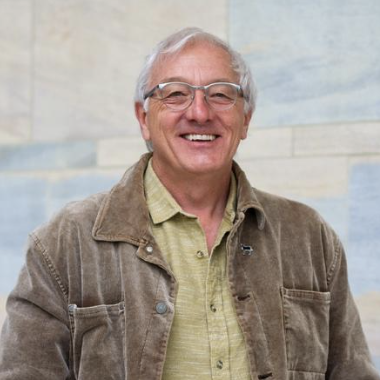
Colin Samson
United Kingdom
Panel Discussions (90 min) — Moderation by Mary Corcoran (UK) — The roots of institutional nature of violence and dysfunctions (45h)
Biko Agozino (Nigeria) · Brunilda Pali (Netherlands)
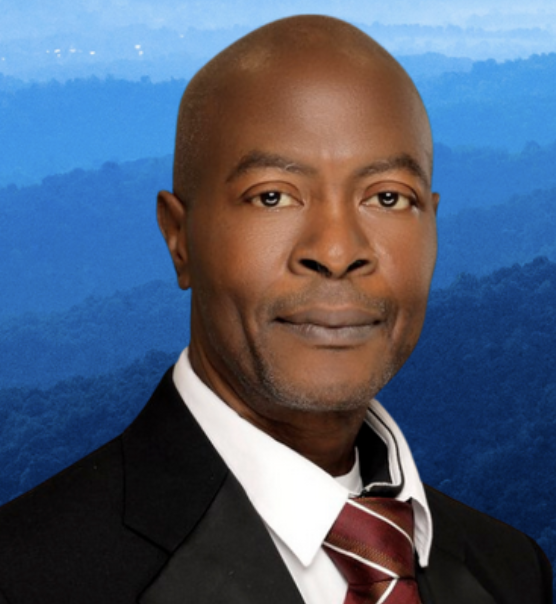
Biko Agozino
United States of America
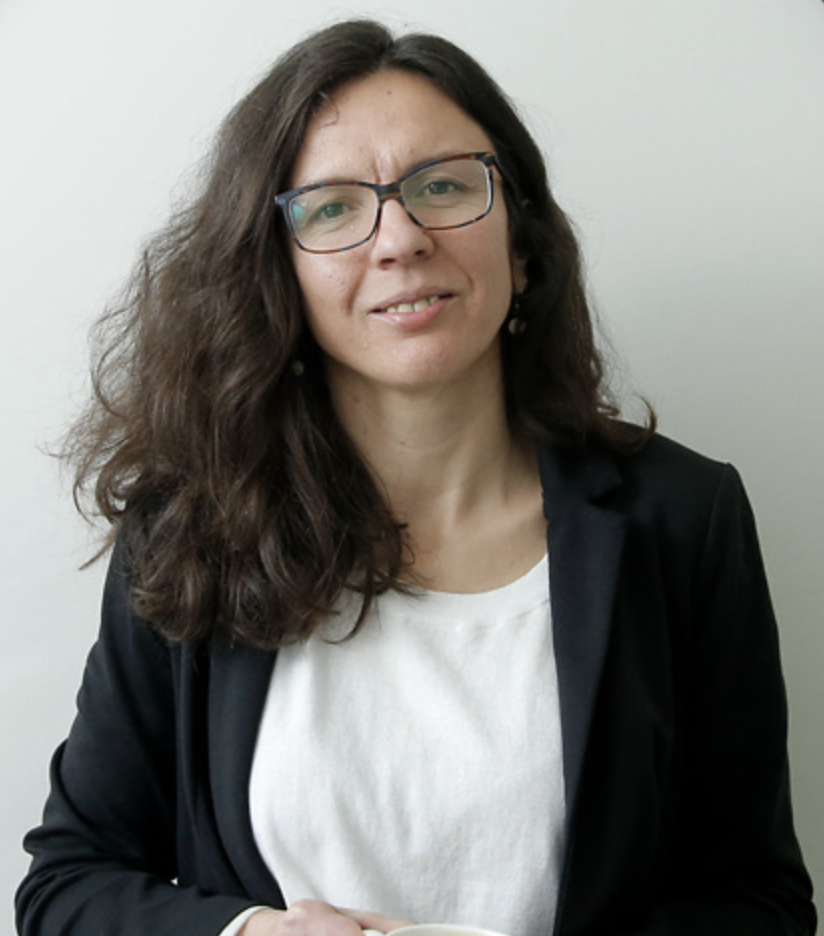
Brunilda Pali
Netherlands
Panel Discussions (45 min) — Moderation by Mary Corcoran (UK) — Institutional resistances to community responses and citizens participation in violence interruption
Anna Di Ronco (Italy) · Lambros Fatsis (United Kingdom)
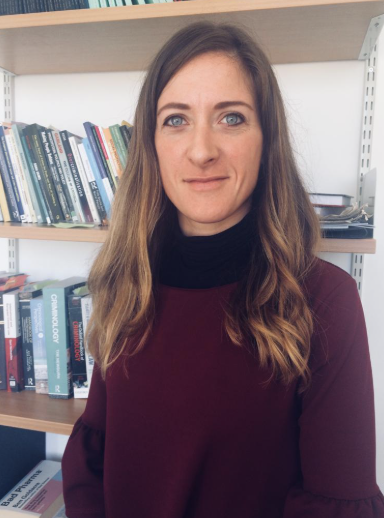
Anna Di Ronco
Italy

Lambros Fatsis
United Kingdom
Keynote Speaker 2 (15 min): Conclusion
Nigel South (United Kingdom)
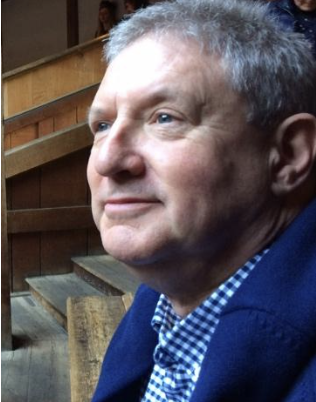
Nigel South
United Kingdom
Key Topics
Institutional (dys)functioning as a catalyst for violence
Exploring how systemic inefficiencies (bureaucracy, technocracy, delays, militarisation of policing, etc.), corruption, and inequities contribute to and maintain different forms of violence in communities, and lead them to find non-statutory ways to manage wrongdoing and violence.
Accountability and legitimacy in institutional violence management mechanisms
Addressing the lack of accountability, transparency and integrity in police, judiciary, and other state institutions. Examining the relationship between state power, law enforcement, and community trust (erosion of public trust in institutions and its effect on cooperation in violence interruption efforts).
Intersecting specific forms of state oppression and overuse of repression
Understanding how criminalisation and repressive/punitive strategies contribute or exacerbate vulnerabilities for marginalized groups. Criminalisation of specific communities, populations and counterproductive criminal policies.
State dysfunctions for violence interruption in new societal challenges
Examining how the criminalisation of dissent and the deployment of state power in environmental conflicts generate new forms of violence and harm affecting humans and non-human life alike; exploring how the alliance between the state and capitalist enterprises produces violence that threatens both human life and environmental continuity.
June 3, 2027
Cultural Dimensions of Violence, Relational Dynamics & Community-Based Governance
This day delves into the intricate relationships between cultural and social norms, community-based values and emotional dynamics, and the way they frame violence understanding, prevention and governance.
Plenary Session
Keynote Speaker (15 min): Introduction by John Scott (Australia)
John Scott (Australia)
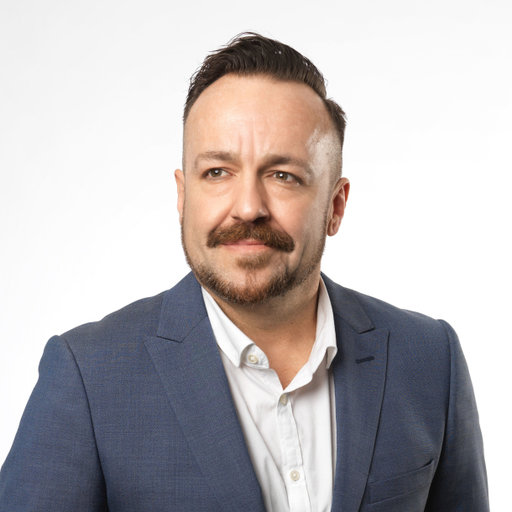
John Scott
Australia
The Importance of Community Informed Ways of Violence Interruption (35 min) — Moderation by John Scott (Australia)
Juan Tauri (Australia) · Mary Corcoran (UK)
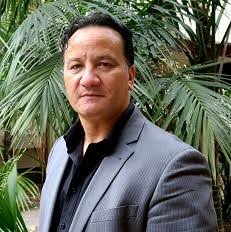
Juan Tauri
Australia
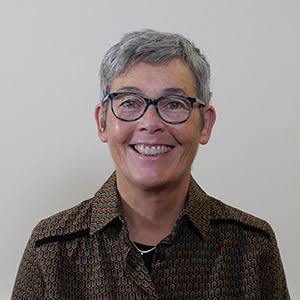
Mary Corcoran
United Kingdom
The Youths' Role in Violence Interruption (40 min) — Moderation by John Scott (Australia)
Stanley J. Huey (USA) · Anne-Marie Day (UK)
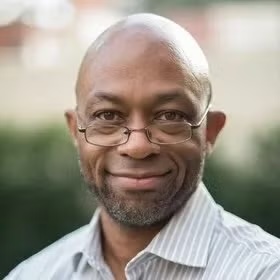
Stanley J. Huey
United States of America

Anne-Marie Day
United Kingdom
The Linguistic Aspect of Violence and Its Interruption (35 min) — Moderation by John Scott (Australia)
Hélène Vassiliadou & Maria Zerva (France) · Irene Zempi (United Kingdom)
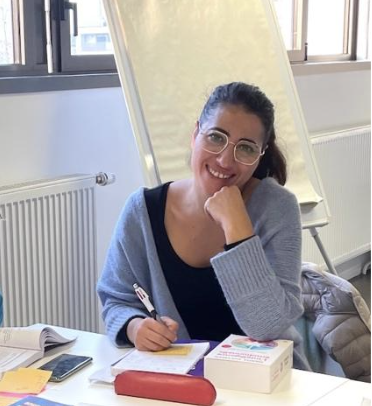
Hélène Vassiliadou
France

Maria Zerva
France
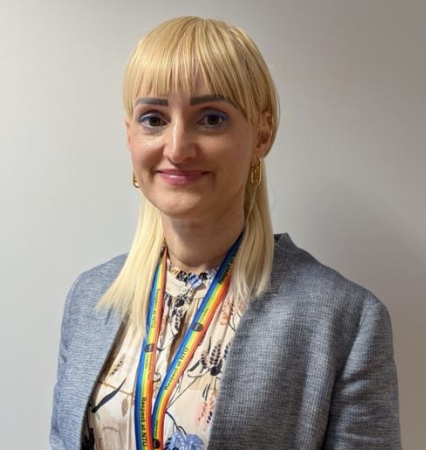
Irene Zempi
United Kingdom
Key Topics
Cultural and community understandings of violence: norms, values and emotional dynamics
Exploring the role of emotions (honor, harm, shame and anger) in perpetuating cycles of violence. Sense of belonging, trust, group dynamics, and collective responsibility in violence mitigation and conflict de-escalation.
Linguistics, corpora analysis, semantic, and discursive dimensions of violence
Considering how language and linguistic choices constructs, conveys and prevents violence and violent dynamics (through semantics, metaphor, framing, and silence); Examining how words, cultural idioms, narratives, and communicative practices shape perceptions of harm, responsibility, and reconciliation.
Marginalisation, inclusiveness and empowerment in community
Examining the intersection of cultural and social norms, gender roles, class, religion, migration and political history in understanding violence.
The role of youth in violence prevention and management
Engaging youth in preserving cultural values while understanding and preventing violence, addressing trauma (poverty, neurodiversity exclusion, slavery, colonialism, war, etc.) in intergenerational dialogue and rebuilding generational gaps.
June 4, 2027
Evidence-Based Violence Interruption in Specific Cultural Contexts
This day examines the interplay between customs, cultural traditions and community-based, creative practices. Discussions emphasize lessons learned from diverse cultural contexts.
Plenary Session
Keynote Speaker (15 min): Introduction by Carlos Alvarez (USA)
Carlos Alvarez (United States of America)

Carlos Alvarez
United States of America
Aspects, Particularities and Relational Dynamics in Gender-Based Violence in Global South (40 min) — Moderation by Daisy Gomez (USA)
Daisy Gomez (USA) · Fernanda Rosenblatt (Brazil) · Sarah-Myriam Martin-Brûlé (Canada)

Daisy Gomez
United States of America

Fernanda Rosenblatt
Brazil

Sarah-Myriam Martin-Brûlé
Canada
Political Violence and Violent Extremism in Europe (45 min) — Moderation by Daisy Gomez (USA)
Gema Varona (Spain) · Massil Benbouriche & Nicolas Amadio (France) · John Morrison (Ireland)

Gema Varona
Spain

Massil Benbouriche
France
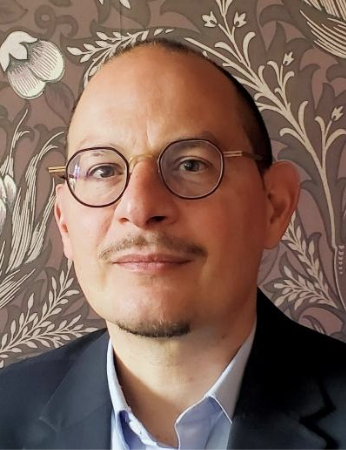
Nicolas Amadio
France
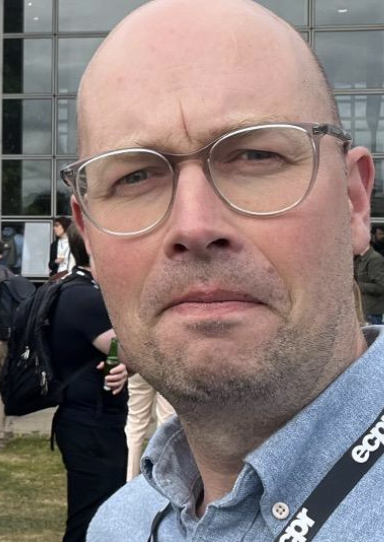
John Morrison
Ireland
Community Violence in USA (30 min) — Moderation by Daisy Gomez (USA)
Paul Carrillo (USA) · Carlos Alvarez (USA)
Carlos Alvarez
United States of America
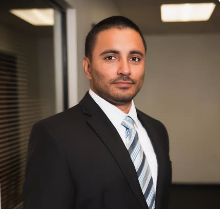
Paul Carrillo
United States of America
Key Topics
Indigenous justice systems, community-based policing and conflict resolution
Examining the role of local norms and indigenous practices in managing violence and wrongdoings, lessons from traditions of a restorative justice philosophy in diverse cultural contexts.
Community-based policing and cultural sensitivity
Exploring culturally sensitive approaches to policing and social control, community-led safety initiatives, the role of artistic expressions, rituals and traditions in community governance and cohesiveness.
Challenges and limitations of cultural-based governance models
Questioning the potential for community-based, informal practices to address inequalities or exclusion. The challenge of incorporating community-based knowledge in institutional reaction to violence and strategies for an effective collaboration with authorities.